Engineered for Every Season: Teak Sectional Care and Patina Planning for the Modern Patio

Outdoor furniture is engineered not for a single condition, but for continuous exposure to change. Heat, cold, moisture, and UV cycles place ongoing stress on materials. Teak sectionals perform reliably across seasons because their care and patina behavior are predictable, manageable, and structurally forgiving.
Seasonal engineering is less about intervention and more about allowing materials to respond as intended.
Why Seasonal Performance Depends on Material Behavior
Materials react differently under stress.
Teak expands, contracts, and weathers in a controlled manner. Unlike materials that crack or warp under seasonal shifts, teak’s cellular structure distributes stress evenly, maintaining alignment through temperature and humidity changes.
Predictable behavior supports year-round stability.
Patina as a Controlled Seasonal Outcome
Seasonal exposure leaves marks.
Patina develops as teak responds to sun and moisture cycles. When this process is anticipated rather than resisted, the material stabilizes instead of fluctuating between extremes caused by repeated treatments.
Consistency reduces structural fatigue.
Care That Supports Structural Equilibrium
Overcorrection introduces imbalance.
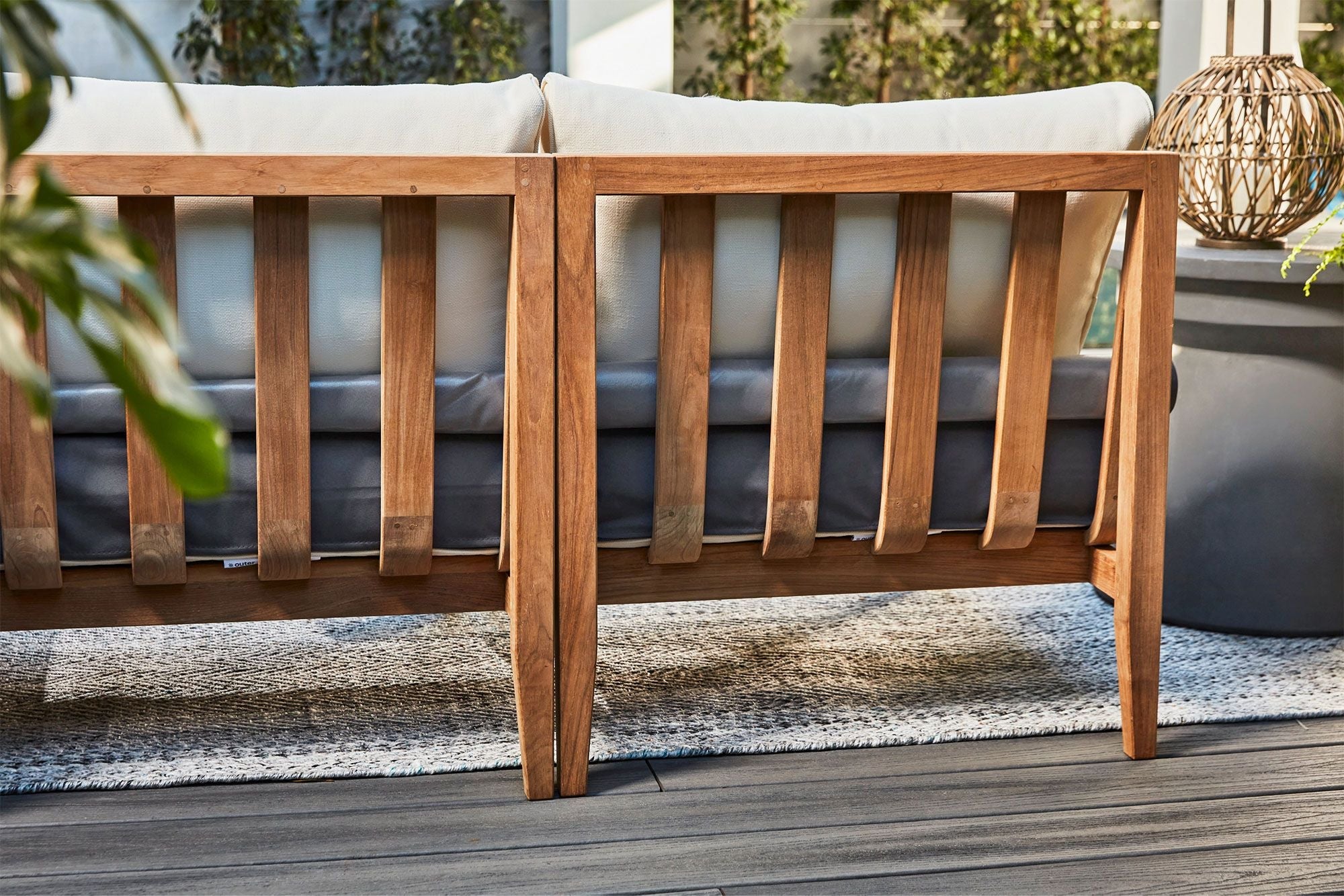
Aggressive sanding, sealing, or spot treatments can create uneven moisture absorption, leading to differential movement across components. Gentle, uniform care allows teak to maintain equilibrium through seasonal changes.
Engineering favors restraint.
Why Sectional Systems Benefit From Even Aging
Uneven aging creates stress points.
In modular sectionals, components that weather at different rates may shift alignment over time. Planning for even patina development helps maintain consistent tolerances between pieces.
Aligned modules perform better across seasons.
System Consistency Across Components
Engineering works at the system level.
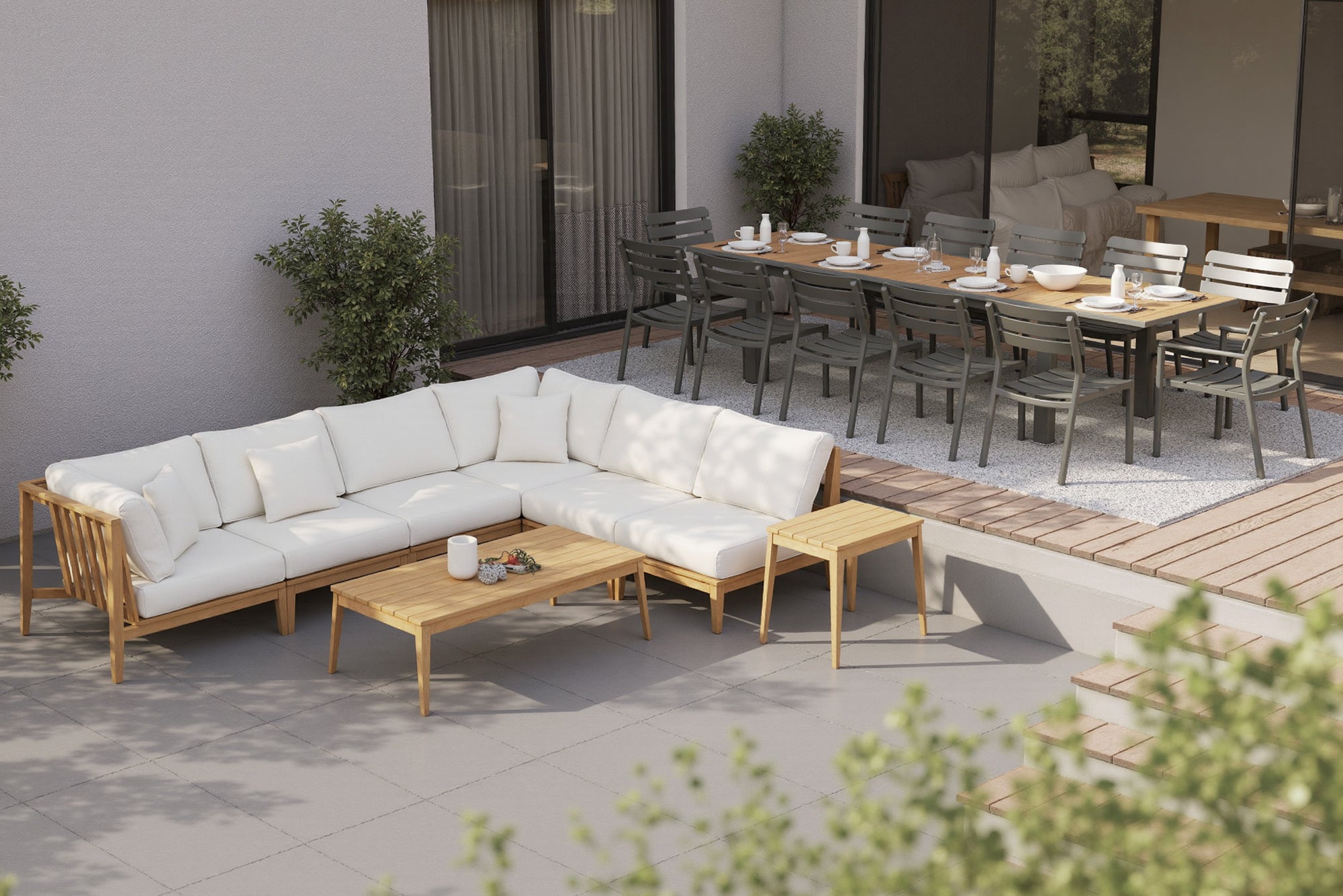
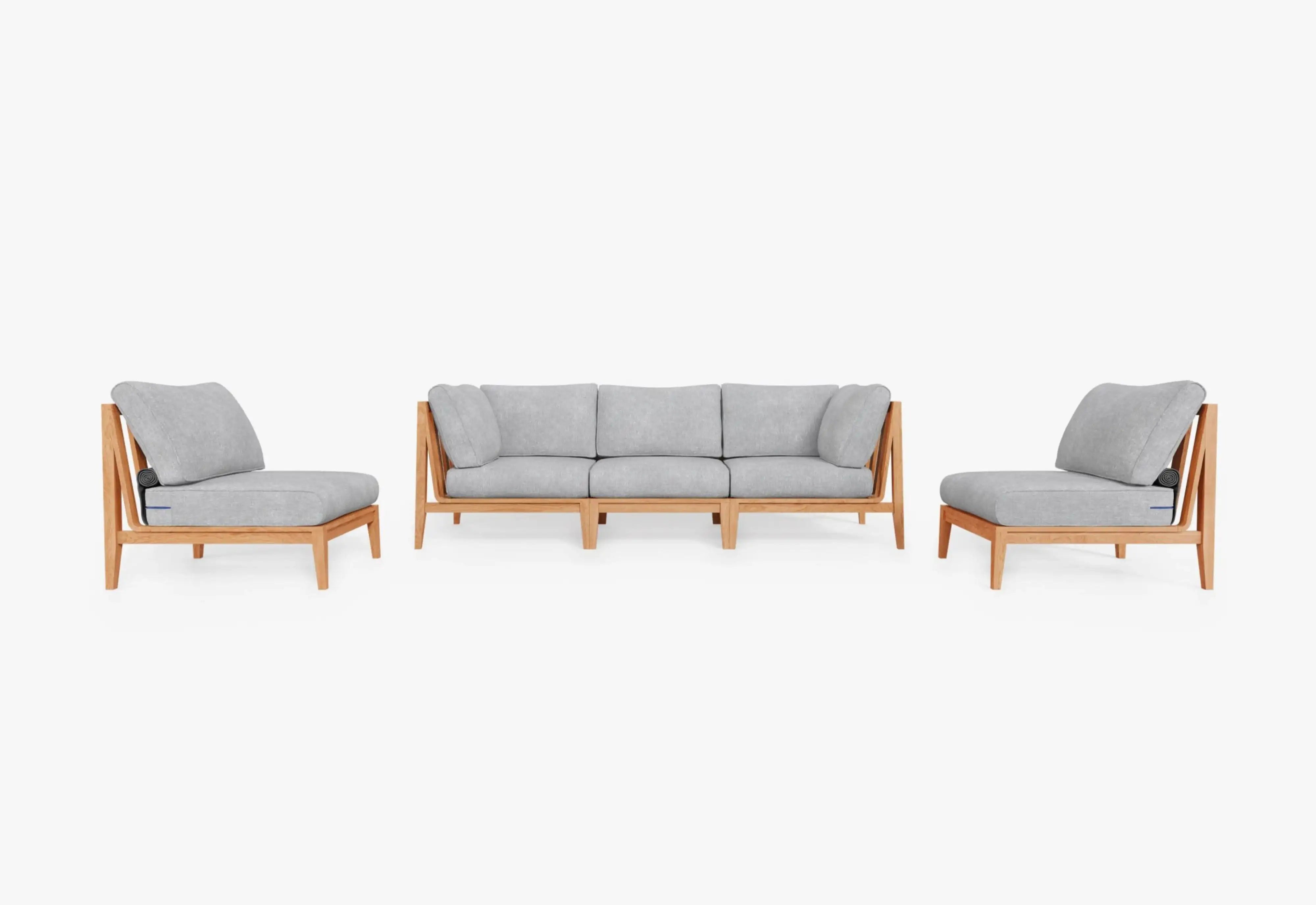
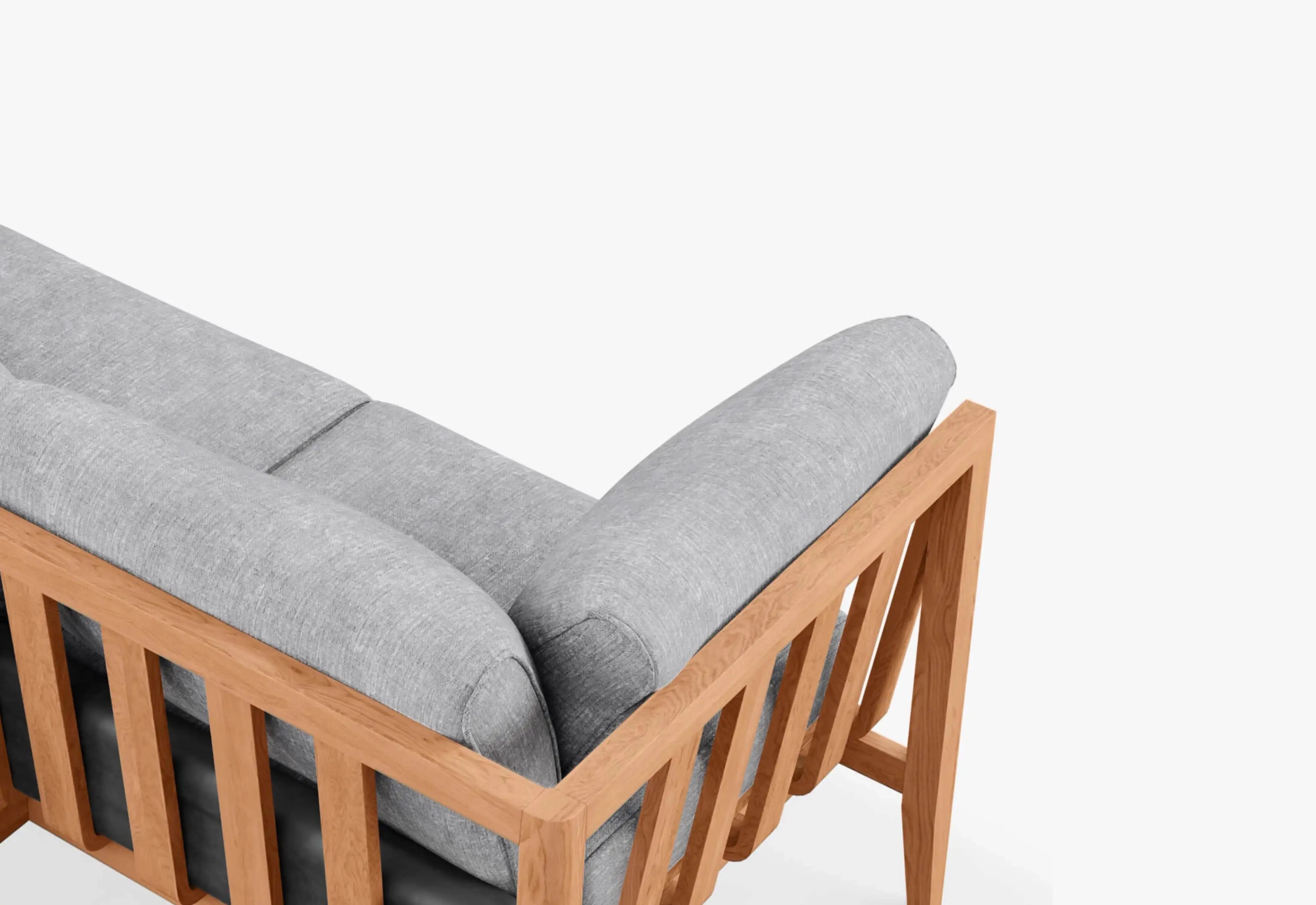
Using coordinated pieces from the Teak Outdoor Sofa collection ensures uniform material behavior, reducing the likelihood of differential expansion or movement.
Consistency simplifies seasonal performance.
Cushion and Frame Interaction Matters
Frames do not work alone.
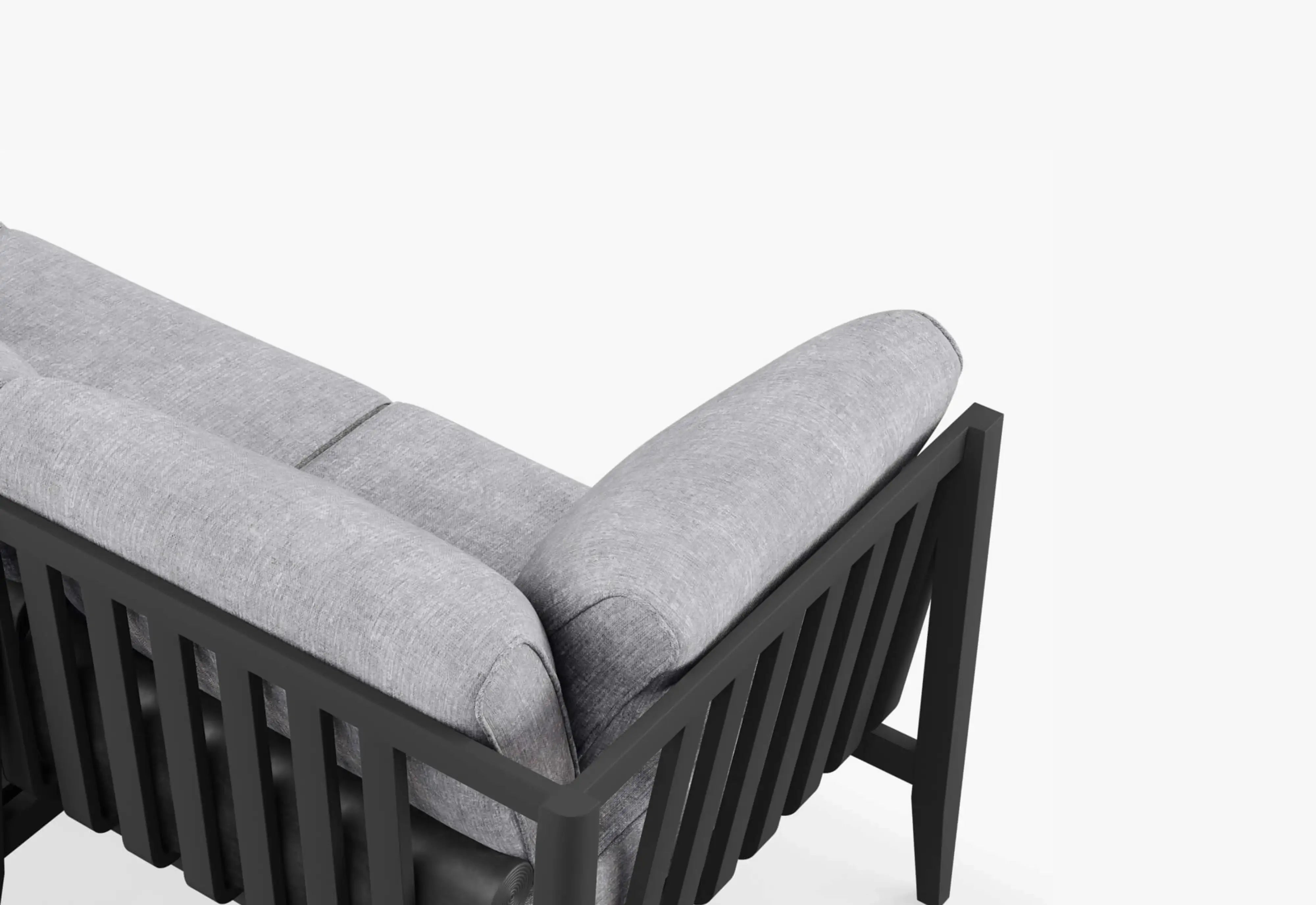
Supportive cushion systems like OuterCloud® help distribute load evenly across teak frames, reducing localized stress during seasonal contraction and expansion.
Balanced load supports structural longevity.
Surface Flexibility Reduces Seasonal Stress
Rigid systems fail first.
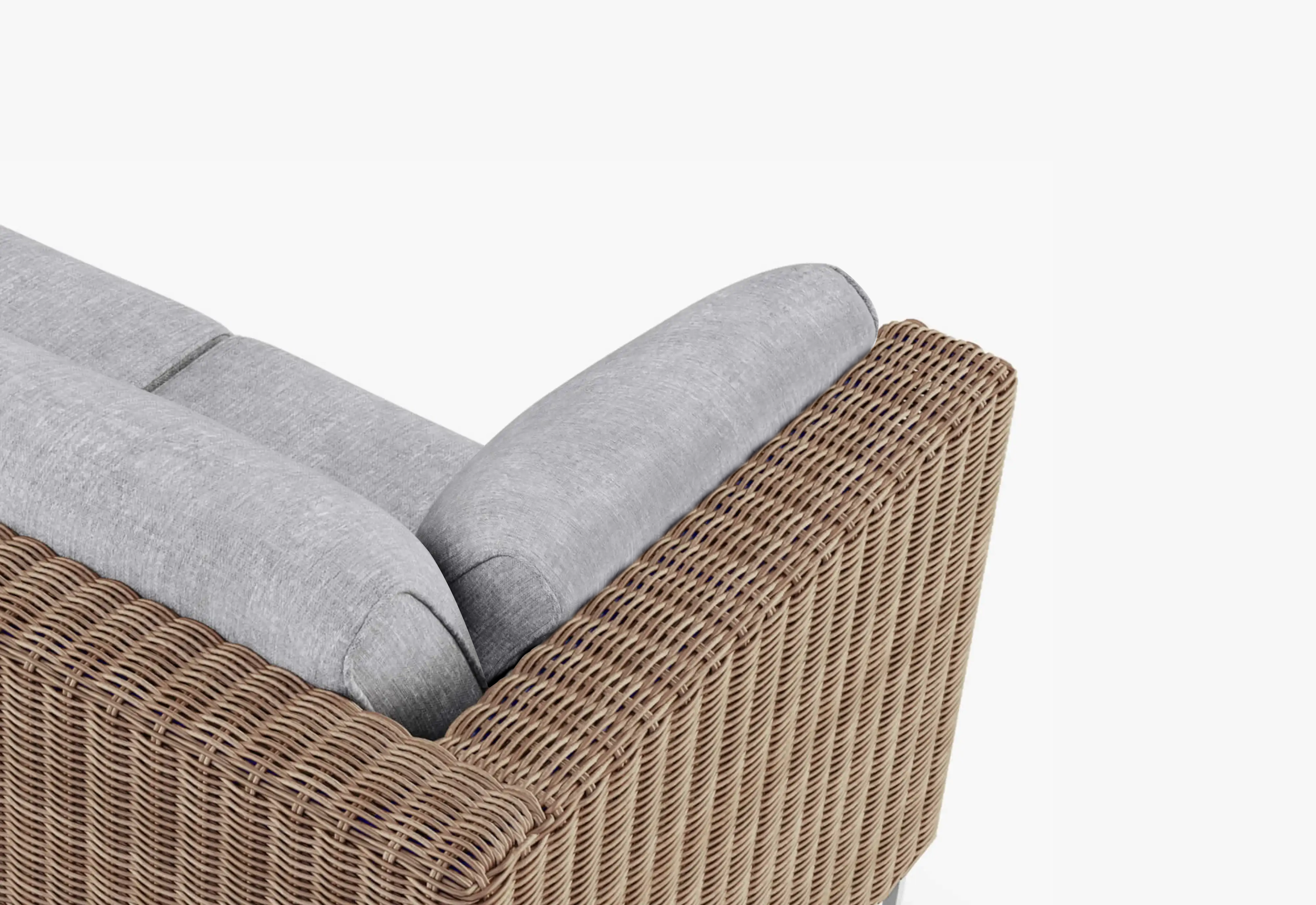
Textural systems such as OuterWeave® allow minor movement without transferring stress to joints or fasteners.
Flexibility is an engineering advantage.
Protection That Manages, Not Eliminates Exposure
Seasonal protection should moderate conditions.
Breathable systems like OuterShell® reduce extreme moisture and UV exposure while allowing air circulation. This prevents trapped humidity that can destabilize wood fibers.
Controlled exposure maintains balance.
Why Seasonal Recovery Matters
Materials need recovery periods.
Allowing teak sectionals to dry and equalize between wet and dry cycles reduces cumulative stress. Protection and spacing support this recovery process.
Recovery is part of engineering.
Engineering That Works Without Constant Adjustment
Seasonal design should be self-regulating.
Teak sectionals that are allowed to age naturally require fewer corrections, adjustments, or resets as seasons change.
Less intervention means greater reliability.
Built to Respond, Not Resist
Engineering for every season means anticipating change.
By planning for patina and practicing restrained care, teak sectionals remain stable through heat, cold, and moisture cycles.
When materials are allowed to behave as designed, performance follows.